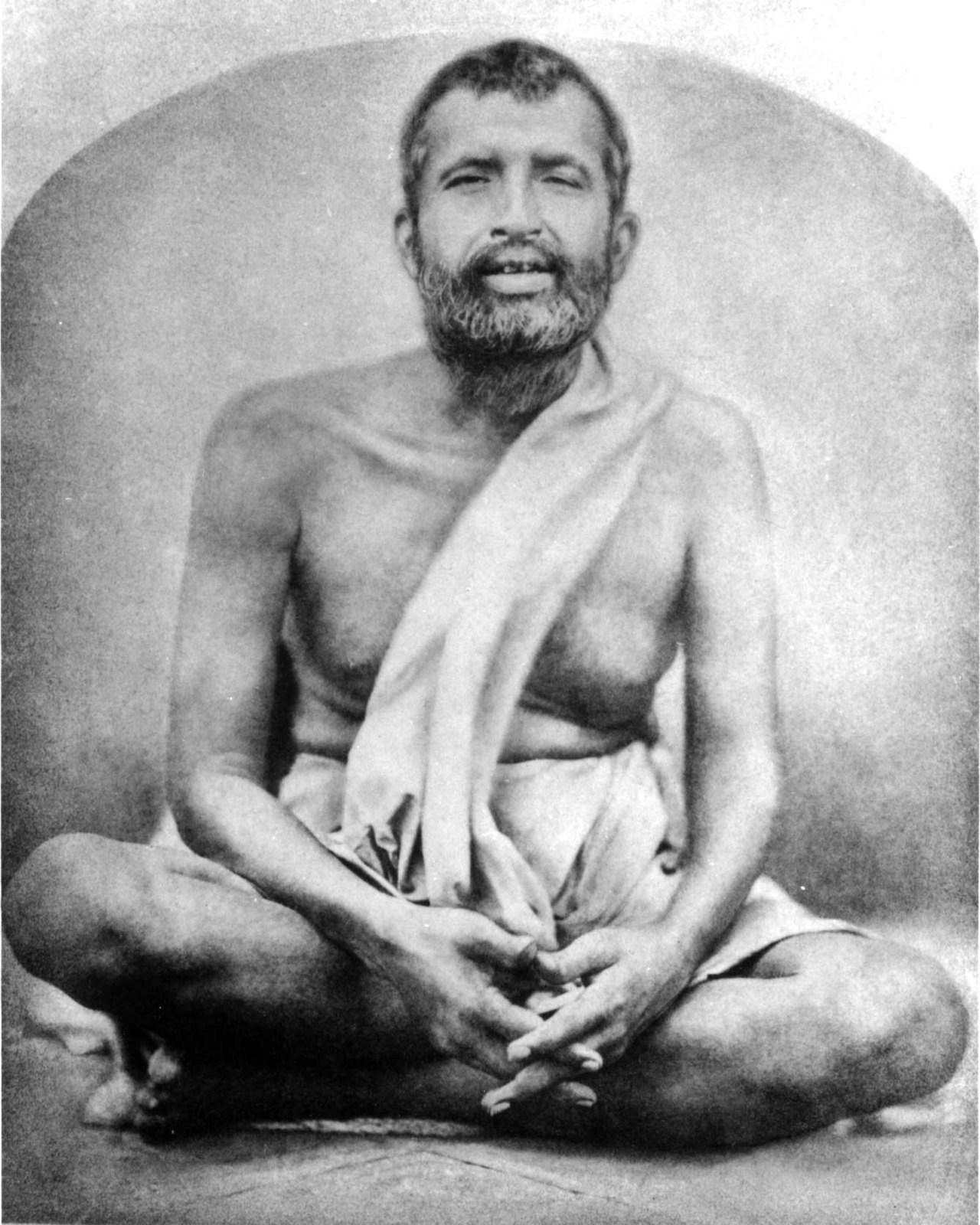
Sri Ramakrishna Paramahamsa - Spiritual Master

Sri Ramakrishna Paramahamsa

Bhakti / Advaita (experiential) / Kali worship

Mystic saint of Dakshineswar who showed the harmony of paths

1836 - 1886
Kamarpukur, West Bengal
Modern Teachers

Introduction

Sri Ramakrishna (1836–1886) was a mystic saint of Bengal whose life and realizations inspired the modern spiritual renaissance. He emphasized direct God-experience and taught that different spiritual paths can lead to the same Reality.

Life Journey

1836
Birth
Born in Kamarpukur, Bengal
1855
Dakshineswar
Came to Dakshineswar Kali Temple area
1860s
Samadhi
Deep mystical realizations and varied spiritual disciplines
1881
Guided seekers
Began guiding earnest seekers; Vivekananda among them
1886
Mahasamadhi
Passed away in Cossipore, Kolkata

Core Teachings

  • God can be realized; spirituality is direct experience, not belief
  • Sincerity is more important than outer labels of religion
  • The mind becomes pure through prayer, japa, and devotion
  • Serve living beings with compassion; love is the sign of God
  • The Divine can be approached through many valid paths

How to Follow / Practices

  • Japa (repetition of God's name) with love
  • Prayer and heartfelt devotion
  • Keeping good company (satsang)
  • Simple living and purity of mind
  • Seeing God in all beings

Famous Works & Speeches

Teachings recorded as 'The Gospel of Sri Ramakrishna' (Kathamrita)

Relevance for Modern Life

Ramakrishna’s message reduces religious conflict by focusing on sincerity and experience.
His emphasis on practical devotion—prayer, japa, and compassion—helps modern seekers manage stress and restlessness.

Inspiring Quotes

"As many faiths, so many paths."
"God is in all men, but all men are not in God."

Associated Places & Ashrams

Ashram/Monastery
Dakshineswar Kali Temple
Dakshineswar, Kolkata, West Bengal
Birthplace
Kamarpukur
Kamarpukur, West Bengal
Place Visited
Belur Math
Howrah, West Bengal

Festivals & Remembrance

Jayanti (Birth Anniversary): Phalguna Shukla Dwitiya (approx.)